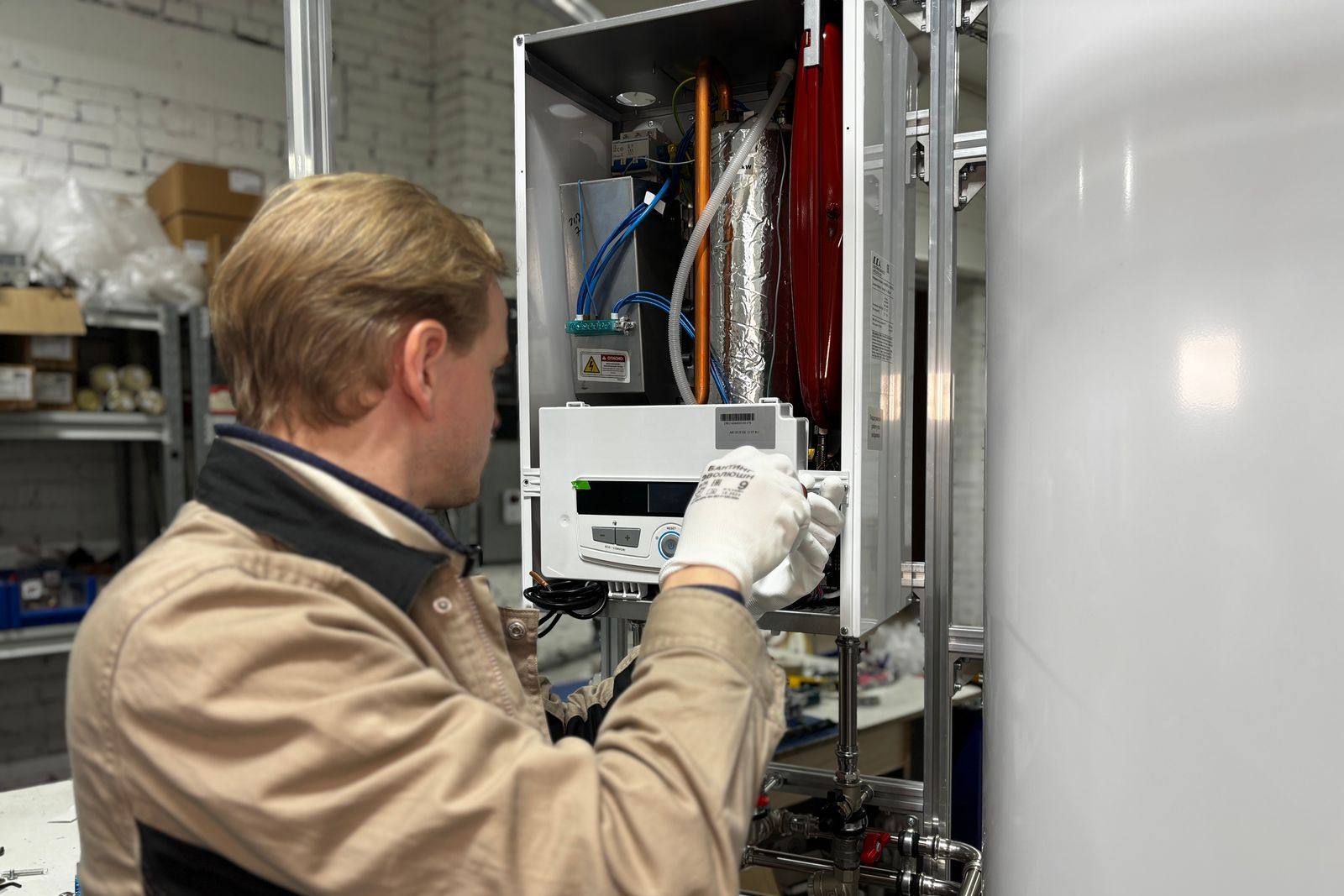
Water heaters built for New Jersey winters
Union County is home to about 594,160 people (Census estimate, 1 July 2024) across 21 municipalities, from the dense city streets of Elizabeth to the pre-war suburbs of Westfield and Summit. The county seat, Elizabeth, has about 140,413 residents and block after block of older two-family and multifamily homes. Westfield and Summit are affluent suburbs of pre-war colonials, Victorians, and foursquares. That housing mix matters for water heaters, because the age of a home's plumbing, where the heater sits, and how cold the winter gets all shape what goes wrong and how it should be fixed.
If your water heater has stopped working in Elizabeth, Westfield, Summit, Linden, or Plainfield — or anywhere else in the county's covered ZIP codes — this site is the starting point: repair, tankless, replacement, emergency help, and maintenance, with requests shared with independent local providers who can respond. It is an independent informational and lead-generation website, not a plumbing contractor.
Why water heaters fail here
New Jersey winters are the defining factor. A cold snap can freeze pipes and damage a heater, especially where the unit sits in an unheated basement corner or against an exterior wall, and a frozen pipe that bursts can flood a basement in minutes. Unlike homes in California, where heaters often sit in garages, Union County heaters usually live in basements — which protects them from the worst cold but puts them where a leak does the most damage to finished space, stored belongings, and the furnace or boiler nearby.
Age is the second factor. Many county homes still have cast-iron drains and older supply lines, and a heater connected to restricted, corroded piping works harder and fails sooner. Sediment builds up in tank heaters over the years, anode rods wear out, and a tank past 10–12 years is living on borrowed time. In Elizabeth's dense two-family homes, a single heater often serves two households' worth of showers and laundry, which wears it out faster than a heater serving one family.
What you can get help with here
- - Water heater repair — diagnosis and repair for tank and tankless units: no hot water, leaks, strange noises, pilot and ignition problems, and error codes.
- - Tankless water heaters — installation, repair, and descaling for homes that want hot water on demand without a storage tank.
- - Replacement and installation — when repair no longer makes sense, choosing the right size and type, and what a replacement involves in a New Jersey basement.
- - Emergency repair — urgent failures such as leaking tanks, flooding, and sudden loss of hot water, and what to do in the first hour.
- - Maintenance and tune-ups — annual flushing, anode-rod checks, and freeze preparation that extend a heater's life, especially before winter.
Service area
Requests are accepted from 19 Union County communities and 27 ZIP codes in total — Elizabeth, Westfield, Summit, Linden, Plainfield, Roselle, Cranford, Fanwood, Roselle Park, Union, and nine more. The service area page lists every ZIP code covered in each town.
How it works
Use the request form to describe the problem, when it started, and where you are. Your request is shared with independent local water heater providers who serve your part of Union County. The provider discusses inspection, options, and pricing directly with you. There is no fee from this site and no obligation.
Frequently Asked Questions
Is this site a plumbing company?
No. Union County Water Heater Pros is an independent informational and lead-generation website. It does not perform plumbing work. Requests are shared with independent local service providers.
Which towns do you cover?
Nineteen Union County communities, from Elizabeth and Plainfield to Westfield, Summit, and Linden — 27 ZIP codes in total. The full list of covered ZIP codes is on the service area page.
How much does a water heater repair cost?
It depends on the problem, the heater's age and type, and parts needed. Repairs are typically less than replacement, and a leaking tank usually means replacement rather than repair. Any figure discussed here is general guidance, not a quote — the provider who responds to your request gives the actual price.
My water heater is leaking. What should I do first?
Turn off the water supply to the heater and, for a gas unit, turn the gas control to off; for an electric unit, switch off the breaker. If water is spreading across a basement floor, shut off the home's main water supply and move valuables out of the way. Then request assistance and describe the leak.
How long does a water heater last in Union County?
Tank water heaters commonly last 8–12 years, and hard use, sediment, and freeze stress can shorten that. Regular flushing and anode-rod checks help. Tankless units often last longer, but only with regular descaling and freeze protection in winter.