Tankless water heaters in a New Jersey winter
A tankless water heater heats water only when a tap opens, so there is no storage tank to keep hot all day and no running out of hot water mid-shower — provided the unit is sized correctly for the home. In Union County, tankless units are a good fit for larger households and for older homes where the basement is tight and a bulky tank is in the way. But they are not a fit-and-forget purchase here: New Jersey winters are the main thing that determines whether a tankless unit lasts 20 years or fails early.
Thinking about going tankless — or is the tankless unit you already have throwing error codes? What follows is installation, repair, and maintenance for Union County, including the cold-weather care that decides whether a unit lasts. Requests are shared with independent local providers.
How a tankless unit is different
A tank water heater stores 40 or 50 gallons and keeps it hot. A tankless unit has a heat exchanger that fires only on demand. That removes the standby heat loss of a tank, and it removes the tank itself as the part that rusts out. What it adds is sensitivity to water quality and flow: mineral scale builds up on the heat exchanger, and the unit's sensors and controls are more complex than a tank heater's thermostat and pilot.
Sizing matters more than brand — especially in winter
The most common tankless disappointment is a unit that was never sized for the home. A tankless heater is rated by how much it can raise the water temperature at a given flow rate. In a New Jersey winter, incoming water is far colder than in summer, so the same unit delivers noticeably less hot water in January than in July. A home with two bathrooms, a dishwasher, and a washing machine that may run at the same time needs a larger unit — or a second unit — than a one-bathroom home. A provider who sizes the unit should ask about simultaneous hot-water use and about winter water temperatures, not just the number of bathrooms.
Gas supply matters too. Many tankless units need a larger gas line than the tank heater they replace, and venting requirements are different: condensing units vent through PVC, while non-condensing units need stainless steel venting. In a basement install, the vent run and the condensate drain both need to be planned — a condensate line that runs through an unheated space can freeze. These are installation questions that should be settled before the unit is bought, not discovered on the day.
Hard water and descaling
Hard water leaves scale on the heat exchanger. As scale builds, the unit works harder, heats less efficiently, and eventually throws error codes or shuts down. In Union County this is the main maintenance item for a tankless heater.
Descaling (flushing the unit with a vinegar or descaling solution through isolation valves) is normally recommended once a year. Units installed without isolation valves are harder and more expensive to service, which is one reason to make sure any new installation includes them. A water softener or scale-reduction system can extend the interval, but it does not remove the need for periodic descaling entirely.
Freeze protection: the New Jersey item
A tankless unit holds a small amount of water in its heat exchanger, and that water can freeze if the unit loses power during a cold snap or sits in an unheated space. Most modern units have built-in freeze protection that runs the burner briefly when temperatures drop — but that protection needs electricity and gas, so it does nothing during a power outage. If a winter storm is forecast and the home may lose power, draining the unit is the reliable protection. A provider can show you the drain procedure for your model, and it is worth learning before the first deep freeze of the season.
Repair: error codes and ignition faults
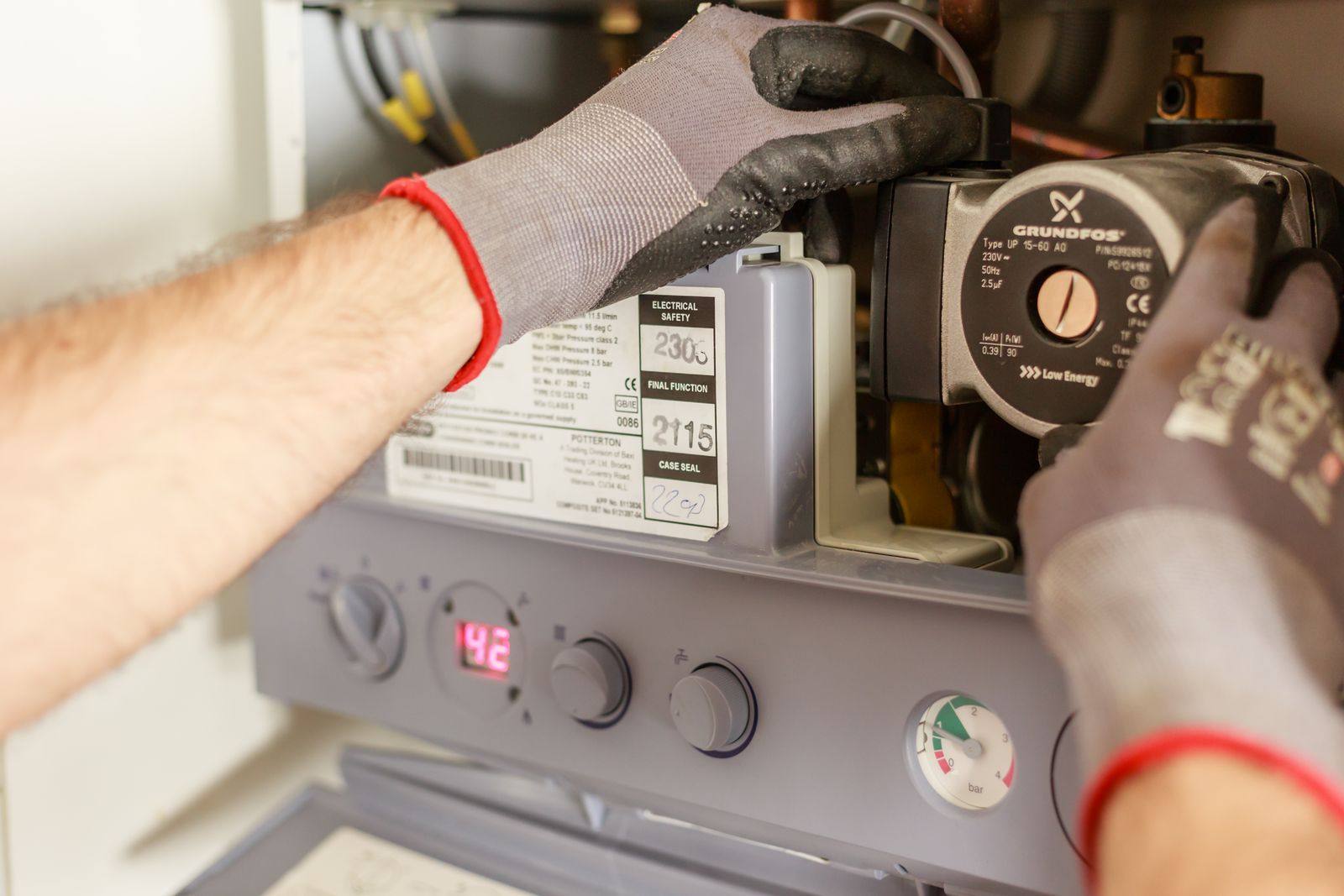
Tankless repairs are usually diagnosed from the unit's error code display, plus checks of the igniter, flame sensor, gas pressure, water flow sensor, and heat exchanger condition. Common faults include ignition failure (often gas supply or venting), temperature fluctuation (often scale or a flow problem), and no hot water with an error code pointing to the heat exchanger or a sensor. Because the diagnosis is code-driven, the error code shown on the unit — if it has a display — is useful information to include in a repair request.
Tankless vs tank in a Union County home
- - Tankless is worth considering for larger households, homes with high simultaneous hot-water demand, and owners who want to avoid a tank rusting out in the basement.
- - Tank is often the simpler choice for smaller households, for homes where the gas line and venting would need major work, and where upfront cost matters most.
- - Either type needs winter care. A tank needs annual flushing and anode-rod checks; a tankless needs annual descaling and freeze protection. There is no maintenance-free water heater in New Jersey.
Frequently Asked Questions
Will a tankless water heater save me money?
It can reduce energy use because it does not keep a tank hot all day, but the saving depends on household hot-water use, the unit's efficiency, and the cost of installation — including any gas-line or venting work. It is not guaranteed to pay for itself quickly. The provider who quotes the installation can explain the expected running costs for your home.
How often does a tankless heater need descaling in Union County?
Once a year is the usual recommendation. Homes with a water softener may go longer; homes with very hard water may need it more often. The unit's manual and the installing provider's advice are the best guide.
Can a tankless unit replace my tank heater directly?
Usually, but not always without extra work. The gas line may need upsizing, the venting is different, and the water connections and condensate drain (for condensing units) need to be arranged. A site visit settles this before any purchase.
What does a tankless error code mean?
It depends on the make and model — each manufacturer uses its own codes. Note the code exactly as displayed and include it in your repair request; it narrows the diagnosis considerably.